Packaging Equipment Repair Services Backed by Service Guarantees
Essential Guide to Stretch Wrapper Repair: Tips for Optimal Performance and Longevity
Maintaining stretch wrappers is crucial for guaranteeing their optimal functionality and extended lifespan. Routine checks can identify common issues before they escalate into significant problems. Staff members possessing essential problem-solving abilities can handle minor issues competently. However, knowing when to seek professional assistance is equally important. Recognizing these aspects can support preserving investments and increasing operational performance. Which are the primary methods that can create a significant impact on the longevity of this machinery?
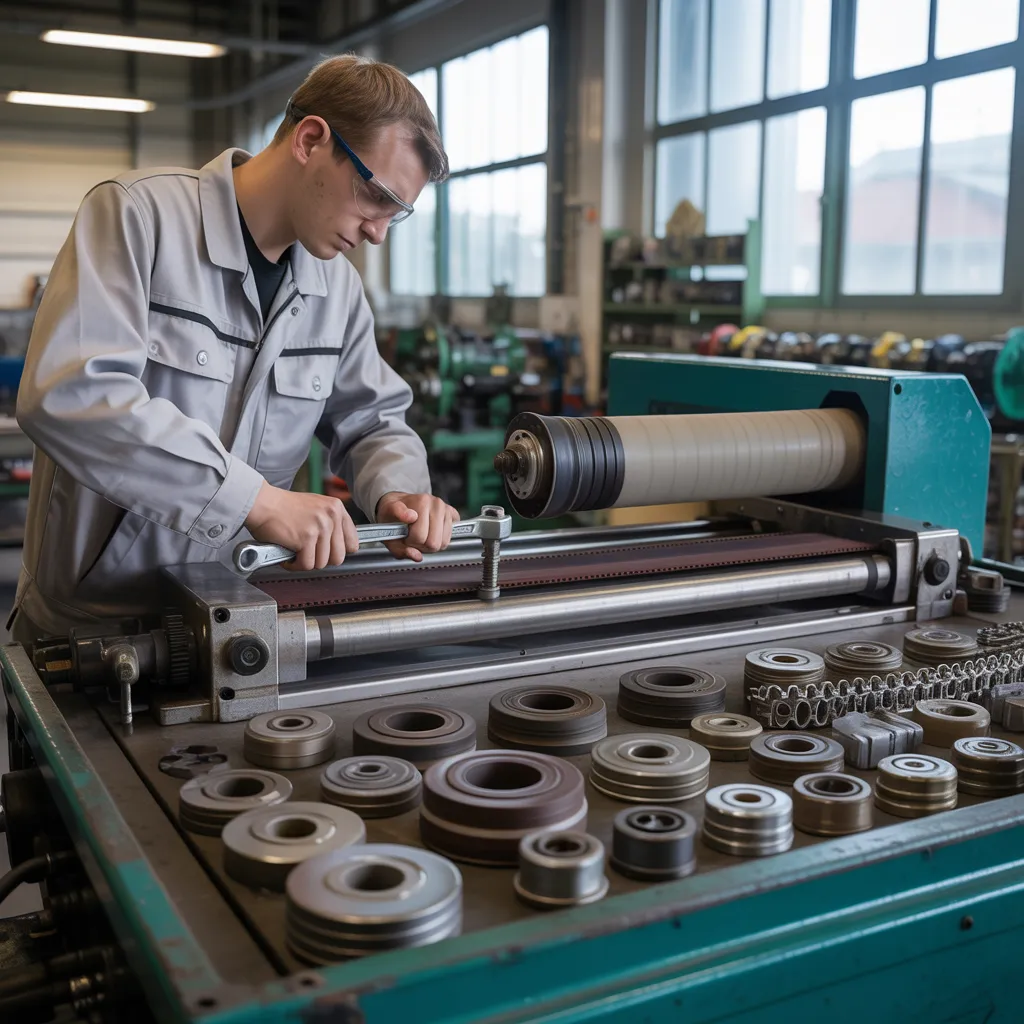
Value of Scheduled Maintenance
Consistent maintenance of stretch wrappers is critical for guaranteeing operational efficiency and longevity. Regular upkeep not only maintains the machine's performance but also minimizes the risk of unexpected breakdowns that can lead to costly downtime. By maintaining a structured maintenance schedule, operators can discover worn components and replace them before they create more major issues.
Furthermore, routine maintenance encompasses cleaning and calibrating the equipment, which contributes to consistent wrap quality and limits material waste. This proactive approach establishes that the stretch wrapper functions at peak levels, boosting productivity and lowering operational costs.
Furthermore, keeping a efficiently running stretch wrapper can prolong its longevity, securing the investment allocated to the equipment. Eventually, prioritizing routine maintenance facilitates a smooth workflow and promotes a safer working environment for all personnel working in the packaging process.
Pinpointing Prevalent Issues
Consistent maintenance creates the basis for rapidly spotting common issues that can occur in stretch wrappers. Operators should be vigilant for signs of wear and malfunction. Common issues may include irregular tension in wrapping, which can result in load instability, or misalignment of the film roll, causing uneven application. Additionally, a stretch wrapper may exhibit unusual noises during operation, pointing to potential mechanical problems such as worn bearings or malfunctioning motors. Repeated film breaks can also indicate issues with the film feed system or the tension settings. Watching for these indicators can help prevent more serious malfunctions. Routine examinations and immediate notification of anomalies ensure that minor issues are resolved before they escalate, contributing to the machine's longevity and efficiency. By spotting these common problems early, operators can preserve maximum efficiency and minimize downtime in their wrapping operations.
Detailed Step-by-Step Diagnostic Manual
When stretch wrapper issues arise for operators, a systematic troubleshooting guide can provide a systematic approach to resolving problems efficiently. The first step involves pinpointing the exact issue, such as irregular wrapping or film breakage. Operators should watch the machine during operation to collect relevant information.
Following this, they should refer to the machine's manual for troubleshooting advice related to the identified issue. This may include verifying proper film tension, guaranteeing alignment, and inspecting the film supply.
Upon confirming the settings, operators need to examine the mechanical components, such as the rollers and motors, for damage or wear.
When the problem continues, operators can reset the machine to default settings, which could fix technical problems.
Lastly, documenting the troubleshooting process and results can assist with future maintenance endeavors and eliminate recurring problems. This structured approach guarantees effective resolution, optimizing the stretch wrapper's performance and longevity.
Fundamental Tools for Repairs
When handling stretch wrapper repairs, having the right tools is crucial for streamlined and successful maintenance. Critical equipment include essential hand tools for mechanical adjustments, electrical testing equipment for diagnosing issues, and a adequately-supplied inventory of replacement parts. These tools combined ensure that technicians can rapidly solve any problems that emerge.
Primary Hand Tools
Various basic hand tools are crucial for proper stretch wrapper repairs. These tools permit technicians to conduct maintenance tasks productively, ensuring optimal performance. Commonly used hand tools include screwdrivers, pliers, wrenches, and hammers. Screwdrivers, both flathead and Phillips, help with the removal and installation of screws, while pliers are beneficial for gripping and bending components. Wrenches, available in multiple sizes, are necessary for loosening and tightening nuts and bolts. Hammers assist in driving or removing parts when needed. Also, utility knives facilitate cutting stretch film or other materials. Having these basic hand tools readily available improves the repair process and promotes the longevity of the stretch wrapper, preventing costly downtime and ensuring efficient operations.
Electric Testing Equipment
While several repairs can be achieved with basic hand tools, the employment of electrical testing equipment is crucial for detecting and fixing issues within stretch wrappers. This equipment includes multimeters, which gauge voltage, current, and resistance, allowing technicians discover electrical faults. Clamp meters are also useful, enabling for non-intrusive current measurement in live circuits. Insulation resistance testers can ensure that wiring is reliable and functioning correctly. In addition, oscilloscopes may be utilized to assess waveform signals, uncovering problems in the control systems. Using this specialized equipment not only enables accurate troubleshooting but also enhances the overall efficiency of repair processes, assuring that stretch wrappers run at peak performance levels while increasing their longevity.
Parts Replacement Stock
Keeping an sufficient inventory of replacement parts is vital for optimal stretch wrapper repairs. A properly maintained inventory decreases downtime by ensuring that technicians have direct access to required components, such as rollers, belts, and control boards. Periodic assessments of the inventory can help identify frequently replaced items, permitting for proactive restocking. It is essential to categorize parts based on their usage frequency and criticality to operations. Furthermore, establishing relationships with dependable suppliers assures timely procurement of parts when needed. This strategic approach not only boosts repair efficiency but also leads to the overall longevity of the stretch wrappers. Investing in a thorough replacement parts inventory ultimately supports optimal performance and minimizes the likelihood of unexpected failures.
When to Reach Out to a Professional
Knowing when to request professional help for stretch wrapper repairs is critical. Signs of significant damage or complex repair concerns often suggest that specialized expertise is necessary. Resolving these concerns promptly can prevent further complications and guarantee the equipment operates optimally.
Signs of Substantial Damage
Recognizing symptoms of severe damage in a stretch wrapper is crucial for maintaining operational efficiency and safety. Operators should be vigilant for unusual noises, such as grinding or clanking, which may indicate internal component failure. Noticeable cracks or deformation in the frame can weaken structural integrity and indicate the need for prompt attention. Additionally, inconsistent wrapping quality, such as slack or uneven film application, may suggest underlying mechanical issues. If the machine regularly malfunctions or requires constant adjustments, these could also be signs of substantial problems. In such cases, it is advisable to consult a professional technician to evaluate the extent of the damage and provide appropriate repairs, guaranteeing the stretch wrapper operates at peak performance levels.
Complicated Repair Problems
If a stretch wrapper faces intricate difficulties that can't be readily fixed through standard maintenance or simple tweaks, it becomes imperative to pursue professional assistance. Symptoms of such challenges include recurring error codes, abnormal mechanical noises, or failure to complete cycles. These problems often originate from elaborate components such as the control system, motors, or drive mechanisms. Trying to troubleshoot or repair these problems without adequate expertise can worsen the situation, possibly leading to further damage and substantial repairs. Professionals have the advanced knowledge and tools required to diagnose and fix these sophisticated malfunctions successfully. Engaging a qualified technician not only assures the stretch wrapper is recovered to prime operation but also lengthens its operational lifespan, securing the investment made in the equipment.
Techniques for Maximizing Equipment Longevity
While regular maintenance is critical for any stretch wrapper, implementing strategic practices can substantially extend the equipment's lifespan. First and foremost, operators should confirm that the equipment is employed within its specified limits, avoiding overloading that can lead to premature wear. Periodically inspecting components for signs of wear or damage enables timely repairs, stopping more significant issues. Additionally, maintaining a clean operating environment aids in reduce debris accumulation, which can interfere with moving parts.
The stretch wrapper should be calibrated on a routine basis to ensure top-level performance, thus avoiding unnecessary strain on the equipment. Employing premium stretch film that complies with the specified standards can also reduce strain on the equipment. Furthermore, teaching personnel on proper operation techniques is essential, as incorrect use can significantly decrease equipment longevity. By adopting these practices, organizations can enhance the performance and endurance of their stretch wrappers, ultimately resulting in cost savings and improved productivity.
Frequently Asked Questions
What Is the Recommended Frequency for Replacing Stretch Wrap Film?
Replace stretch wrap film when you notice wear indicators like tears or diminished elasticity. Consistent monitoring guarantees maximum performance, with changes generally suggested every two to four weeks based on how intensively it's used.
May Environmental Variables Alter Stretch Wrapper Efficiency?
Indeed, environmental elements like temperature, humidity, and dust can greatly read guide affect stretch wrapper performance. Extreme conditions may result in film adhesion difficulties, irregular wrapping quality, and heightened wear on the machine, demanding close monitoring.
What Safety Precautions Should I Take During Repairs?
While conducting repairs, it is important to wear correct personal protective equipment, guarantee the machine is powered off, follow lockout/tagout procedures, keep tools arranged, and maintain a clean workspace to prevent accidents and injuries.
Are There Particular Brands Famous for Reliability?
Several brands are recognized for their reliability, including Lantech, Signode, and Aetna. These manufacturers continually receive positive feedback for their longevity, performance, and customer support, making them favored choices among companies in the industry.
How Can I Store My Stretch Wrapper Properly?
For proper stretch wrapper storage, make sure it is dry, clean, and protected. Store it in a temperature-controlled space, away from UV rays and humidity, avoiding rusting and component wear of components for peak performance.